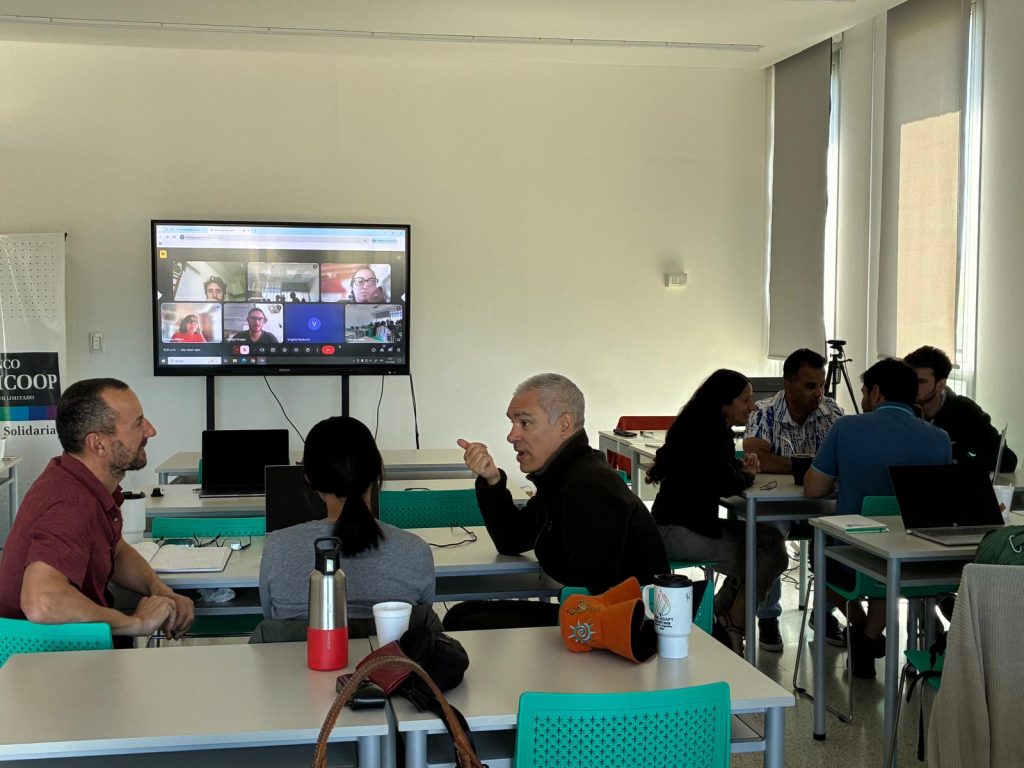
The province of Santa Fe (Argentina) was the setting for the fifth FIRE-ADAPT Study Hub (SH). From 22 September to 3 October 2025, presentations, workshops, and field visits were conducted to advance the project results and to gain firsthand knowledge of the research, the use of fire, and associated social factors in the Paraná River wetlands.
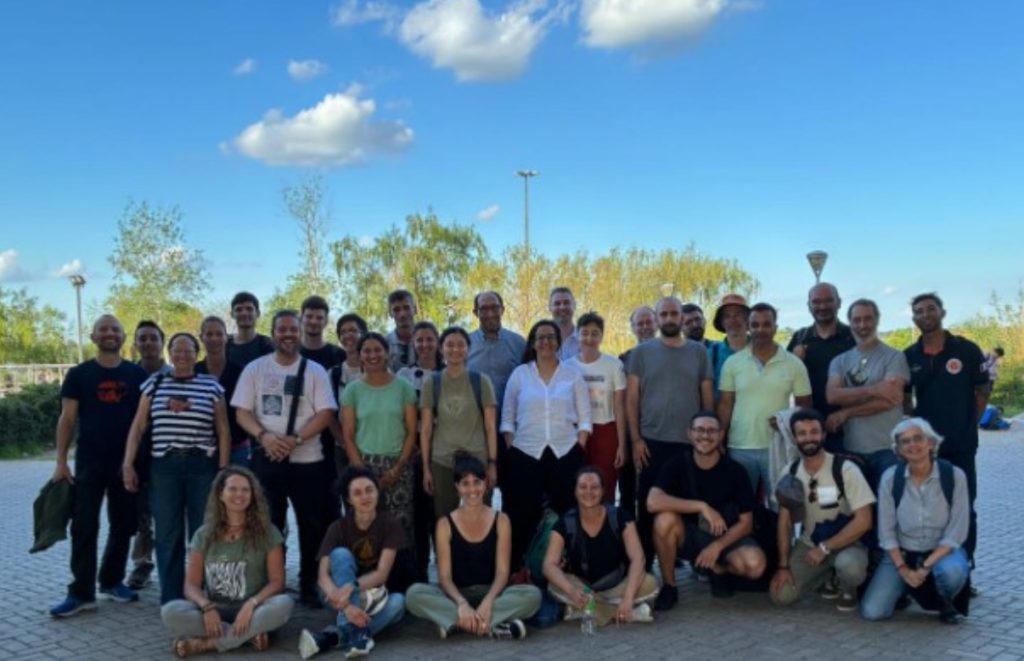
The Argentina SH had an organising committee composed of Aylen Carrasco, Virginia Venturini, and Zuleica Marchetti from the Facultad de Ingeniería y Ciencias Hídricas (Universidad Nacional del Litoral, UNL); Brián Ferrero and Adriana Millán, from the Centro de Investigación y Transferencia Rafaela (CONICET-Universidad Nacional de Rafaela, UNRaf); Francisco Díaz, from the Secretaría de Protección Civil y Gestión de Riesgos de la Provincia de Santa Fe; and Jay Mistry and Bibiana Bilbao, from COBRA Collective CIC. 44 participants from France, Italy, Spain, Bolivia, the United Kingdom, and Argentina attended, representing the various partner organisations of the project.
Pre-Study Hub event
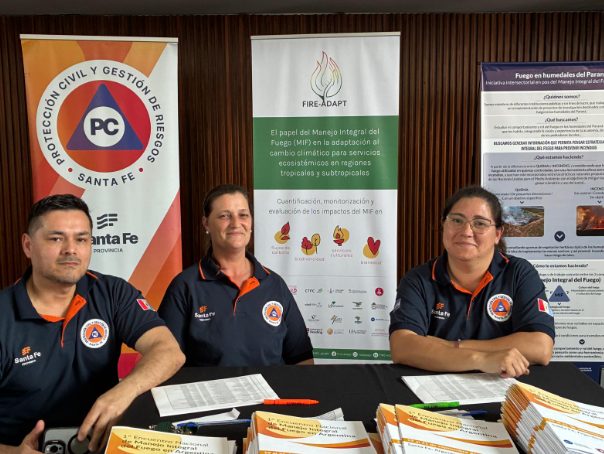
A few days before the official start of the Argentina SH, the FIRE-ADAPT project collaborated in organising the “1st National Meeting on Integrated Fire Management in Argentina,” which took place in the city of Santa Fe from 19 to 21 September. The event was conceived as an opportunity to address a strategic and urgent need to begin a transition toward fire management models that reduce risks, contribute to landscape restoration, and improve territorial governance in Argentina. To this end, keynote addresses, roundtables, presentations of case studies, and forums for local stakeholders were held to connect scientific and traditional knowledge with public policies that will facilitate the transition to Integrated Fire Management in Argentina. More information and programme here.
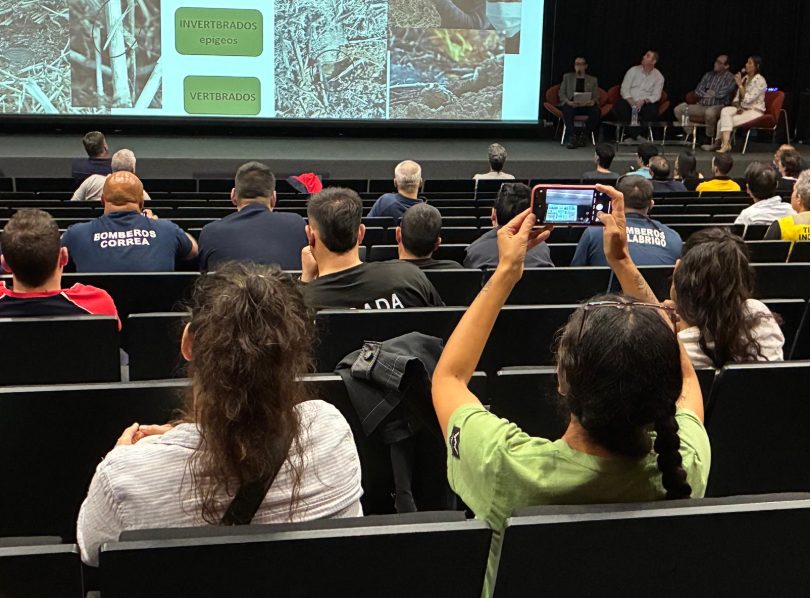
Study Hub opening
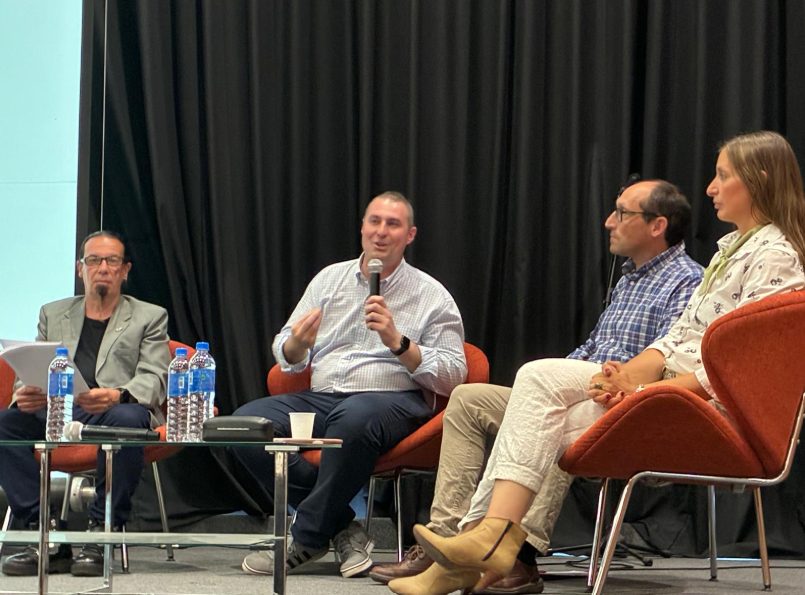
The majority of SH Argentina’s activities took place in the city of Santa Fe and the surrounding areas. On 22 September, at the Santa Fe Provincial Cultural Centre, the Argentina SH was opened, offering a perspective on the context of fire in the country from historical, ecological, stakeholder, and emergency services viewpoints. The Argentina SH unfolded in two locations: the cities of Santa Fe and Rosario and their Paraná River islands (wetlands).
Development of the Argentina SH in Santa Fe
Presentations and workshops [Facultad de Ingeniería y Ciencias Hídricas (UNL) and CONICET facilities]
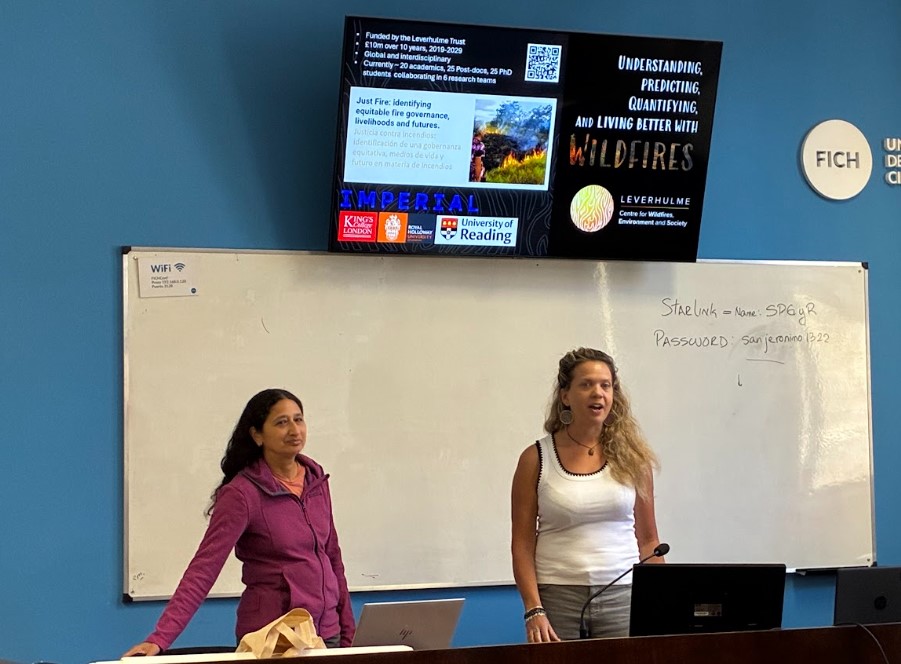
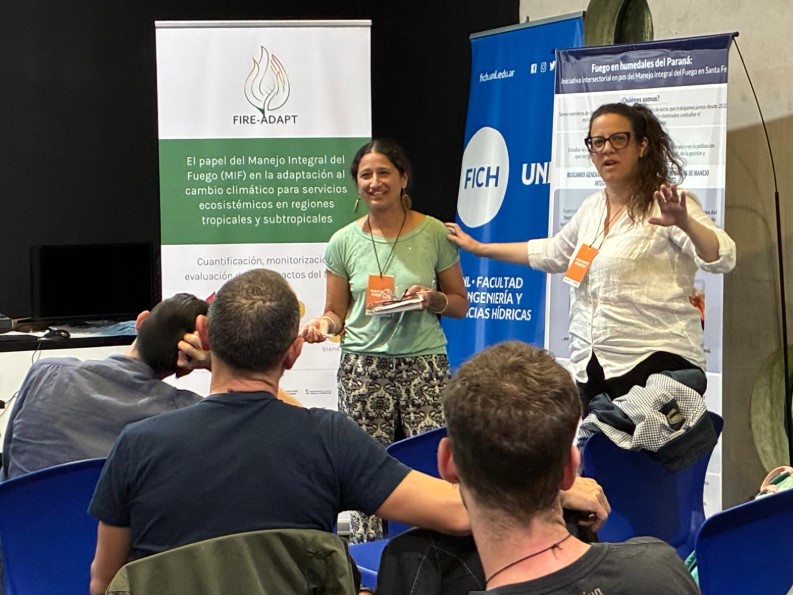
Monitoring and sharing progress on the different work packages of the project is an important part of all the Study Hubs. The one in Argentina was no exception, scheduling presentations on Carbon dynamics (WP1), biodiversity conservation (WP2), (inter)cultural services and well-being (WP3), modelling and forecasting (WP4), Integrated Fire Management and climate adaptation (WP5), communication and dissemination (WP6), and project coordination (WP7).

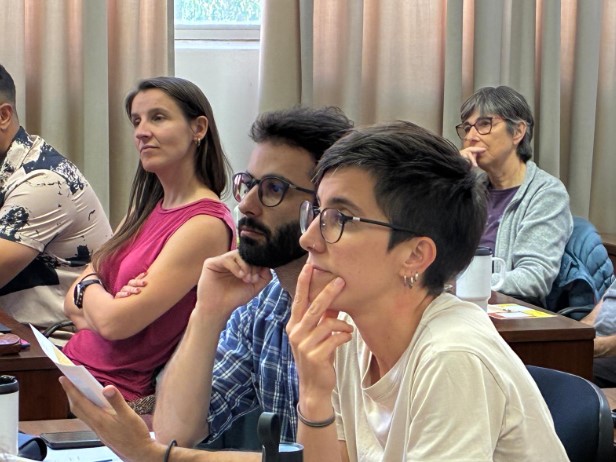
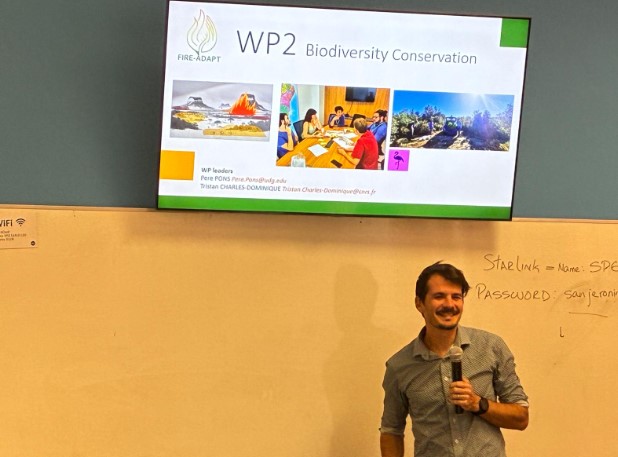
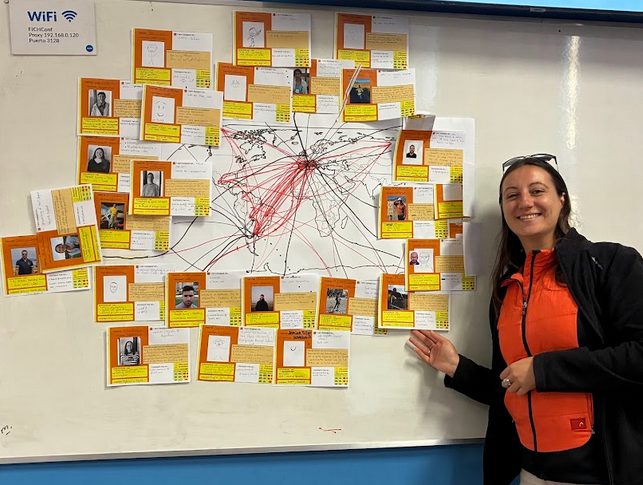
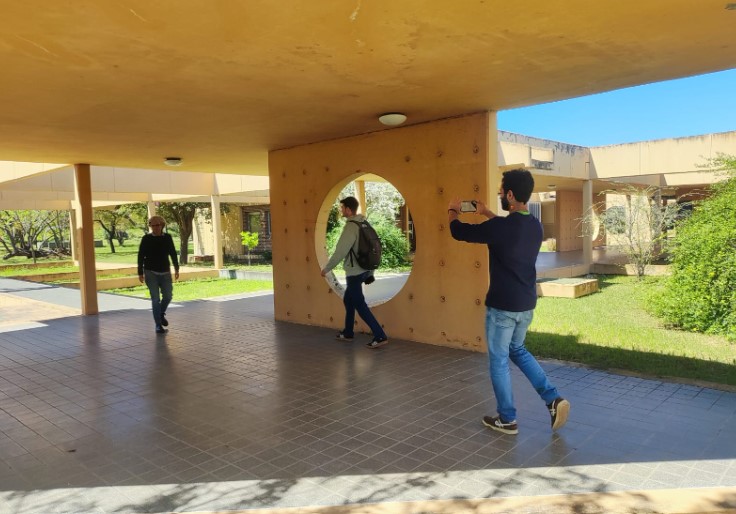
The sessions were complemented by various workshops to gather information and advance the materials from the different work packages. Following preliminary activities led by Alice Hsu (University of East Anglia) and Paula Guilaberti (CONICET) to build trust among participants and establish a collaborative network map, Jay Mistry and Andrea Berardi (both from Cobra Collective) organised a workshop within WP3 in which participants created participatory videos on Integrated Fire Management.
“We have observed that intercultural aspects are often overlooked when addressing Integrated Fire Management. It is important to consider not only the diversity of systems and dialogue among different types of stakeholders, but also to foster participation and methods that can build engagement with people. Participatory videos are a technique for establishing a research process, better understanding the topic at hand, and communicating it to relevant stakeholders,” says Jay Mistry of Cobra Collective.
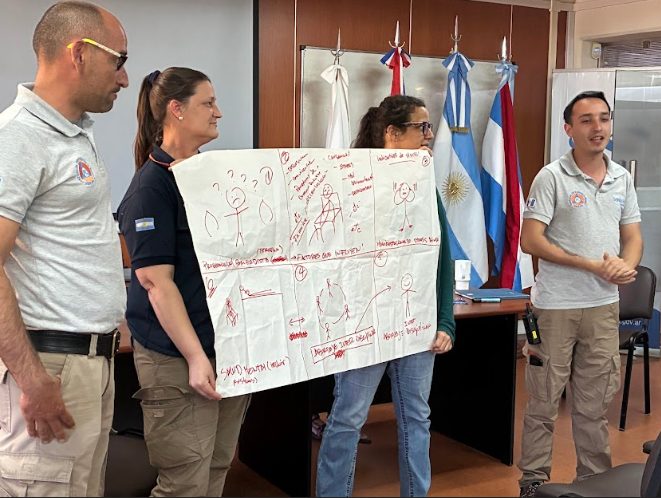
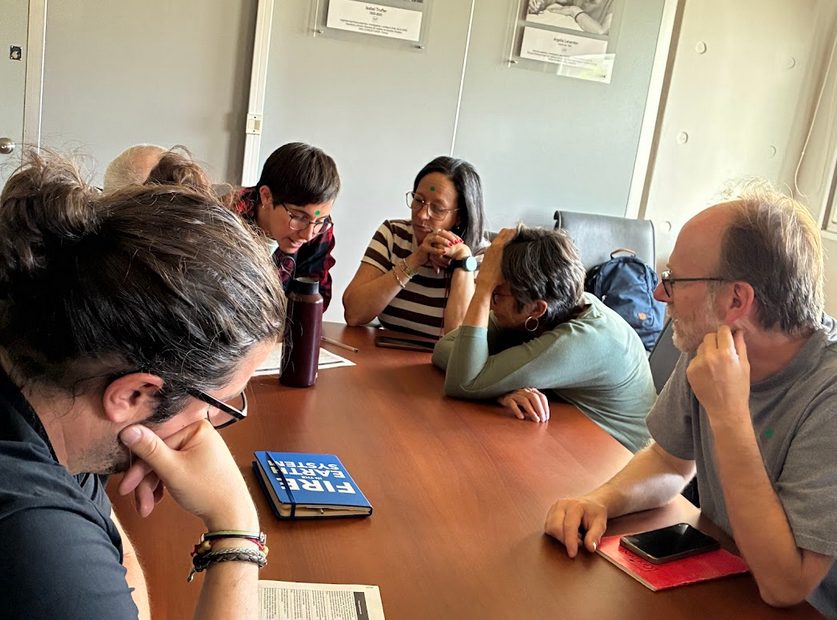
Also within the field of interculturality, Jay Mistry, along with Adriana Ford (Leverhulme Leverhulme Centre for Wildfires, Environment and Society), led a workshop on justice and equity with the aim of identifying the three dimensions of justice: recognition, procedures, and distribution. As part of WP5, Júlia Nogués from the Pau Costa Foundation facilitated a workshop to continue gathering information for a diagnosis of the socioeconomic, fire ecology and fire management pillars in Integrated Fire Management, to advance the development of the document ‘Guidelines on Capacity Building in Integrated Fire Management.’
Field trips
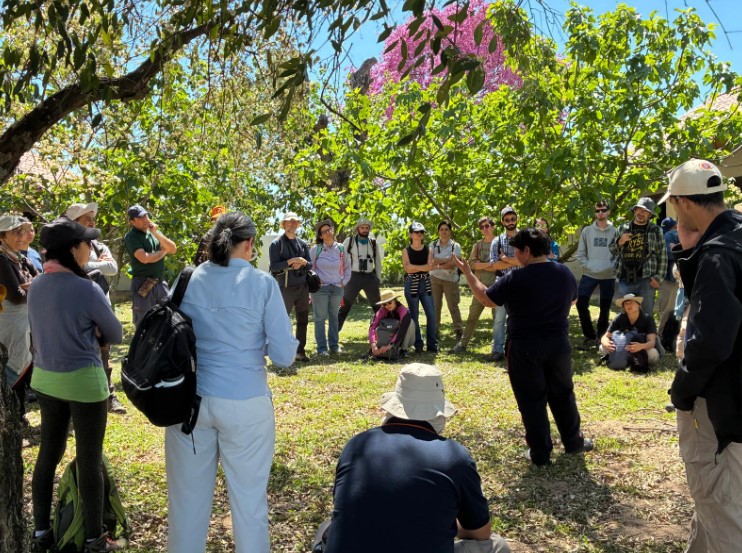
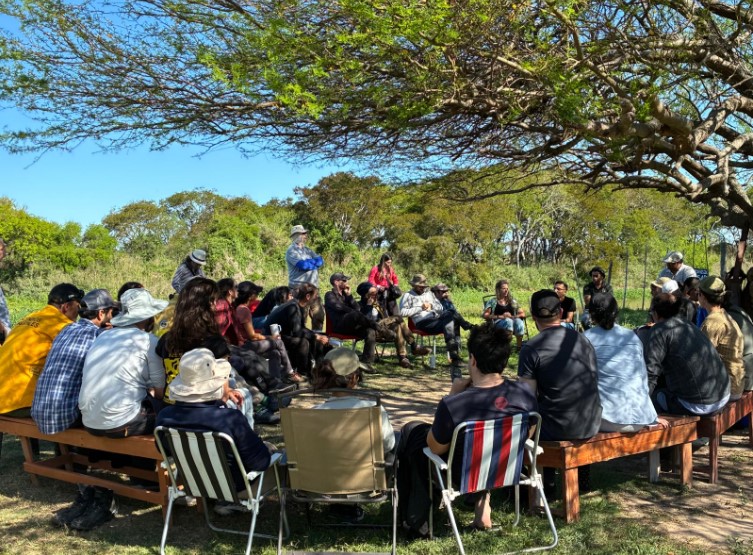
Researchers from UNL led a field trip to learn about the experimental work on prescribed burns in experimental plots on the islands of the Paraná River. There was also an opportunity to learn from local stakeholders about the use of fire for pasture improvement and vegetation control.
“In four experimental plots, we are conducting controlled burns to study the impact of fire on different environmental components: vegetation, water quality, invertebrates, vertebrates, and soil. We carry out the studies before, during, and after the burn. We have been monitoring for three years to see how burning can restructure some communities through the fire itself, but also what the effect of future flooding might be, since these plots are prone to flooding,” explains Zuleica Marchetti, a researcher at UNL.
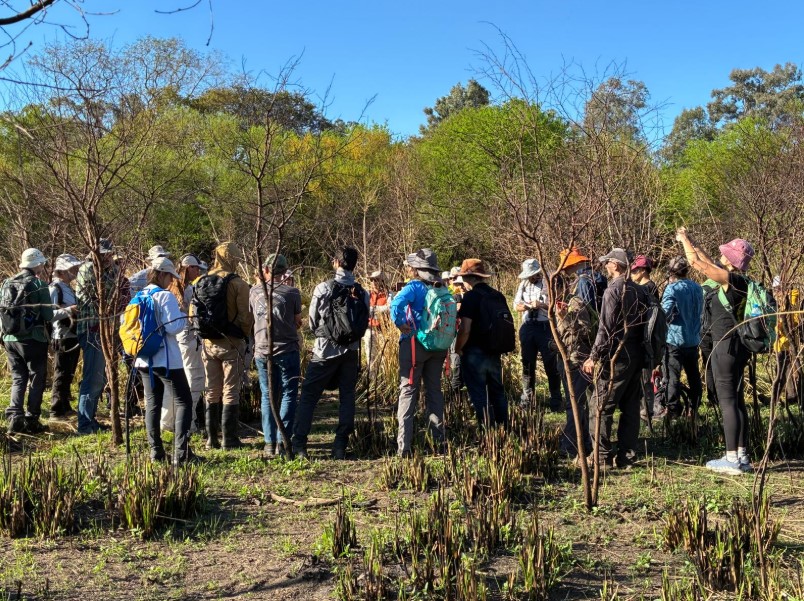
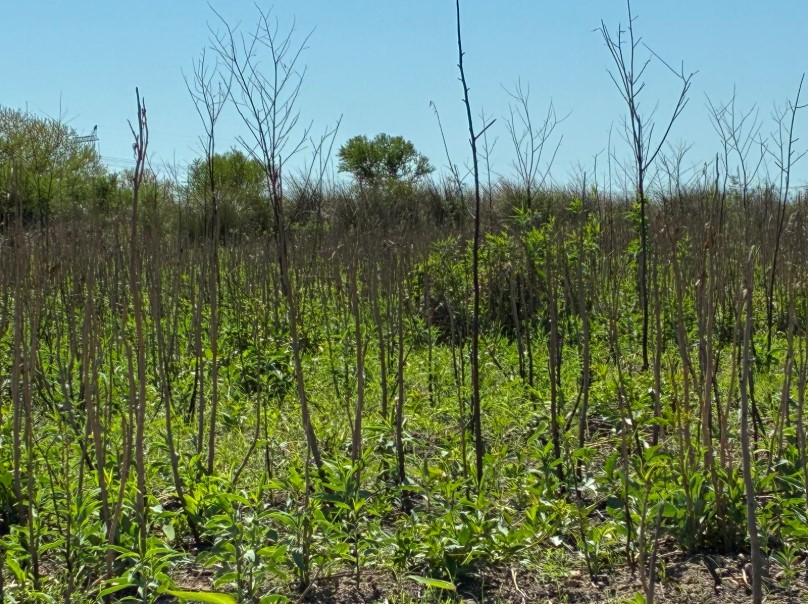
In this same scenario, in the so-called pajonales, a herbaceous community very representative of the wetlands of the Paraná River, the biodiversity (WP2) and Carbon dynamics (WP1) protocols were applied in plots where burnings had been carried out at three different times.
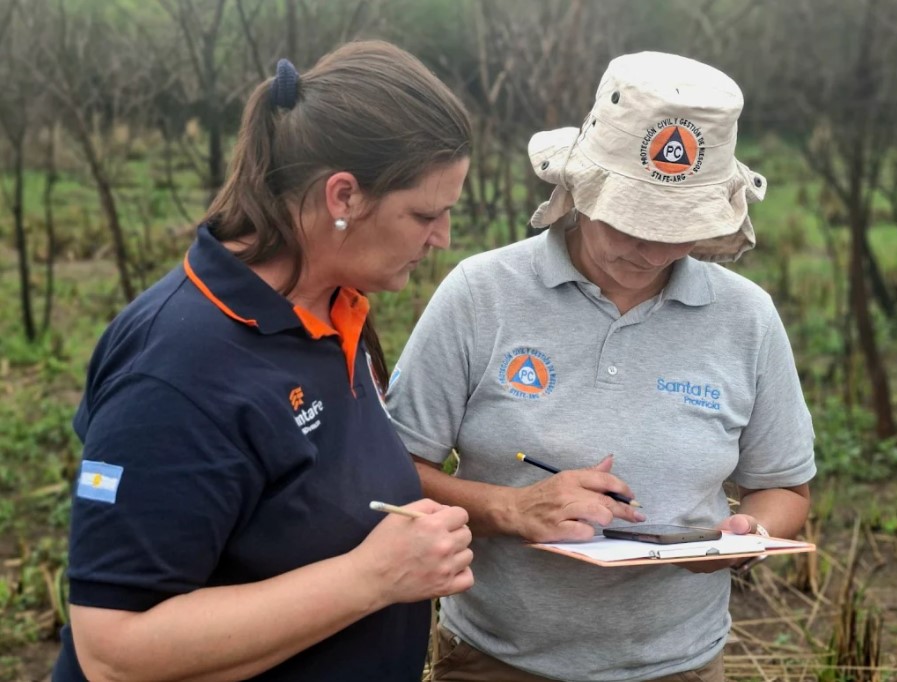

The visit to the Santa Fe la Vieja Archaeological Park (Cayastá), the site of the original settlement of the city of Santa Fe, offered an opportunity to learn about and discuss the conservation of historical and cultural heritage in the face of fire risk, using the 2021 fire as a reference point. Organised by Adriana Millán and Brián Ferrero (National University of Rafaela-CONICET), the visit included the participation of the Cayastá Volunteer Firefighters Association. The outing also included a visit to the adjacent nature reserve to learn about the characteristics of the environment and the impact of fire.
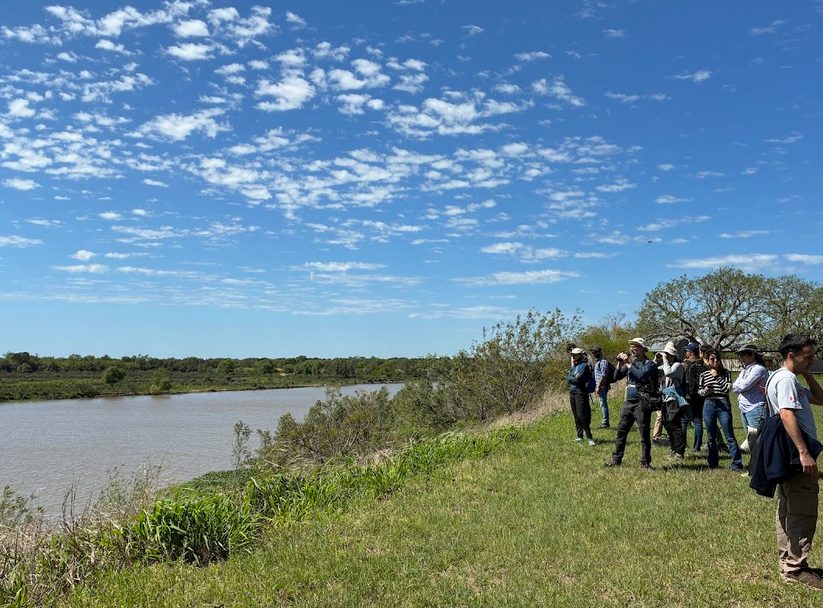
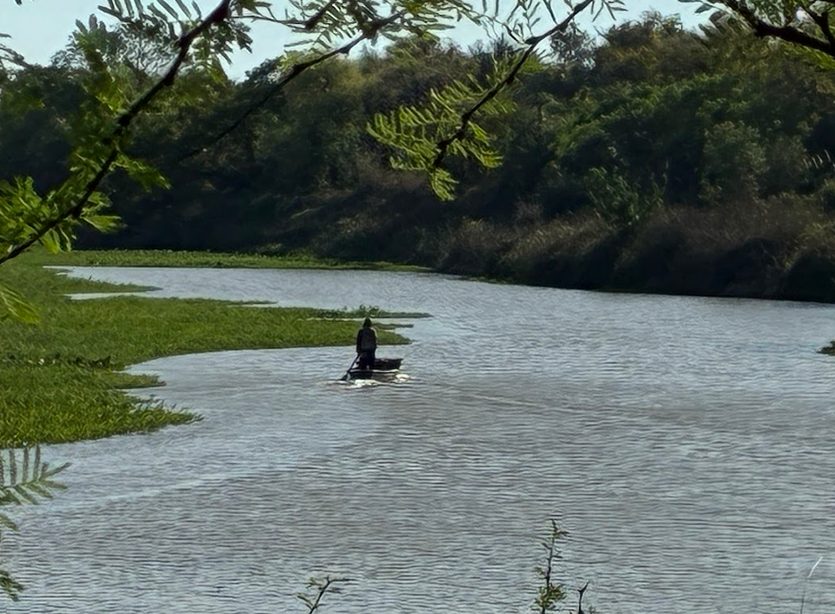
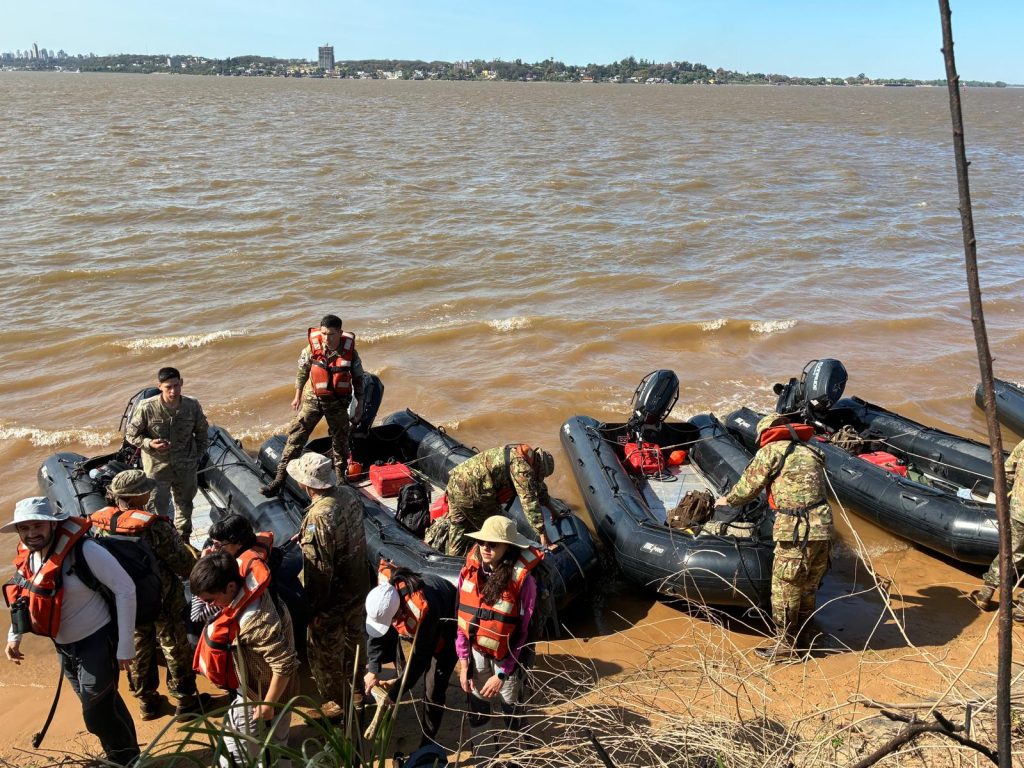
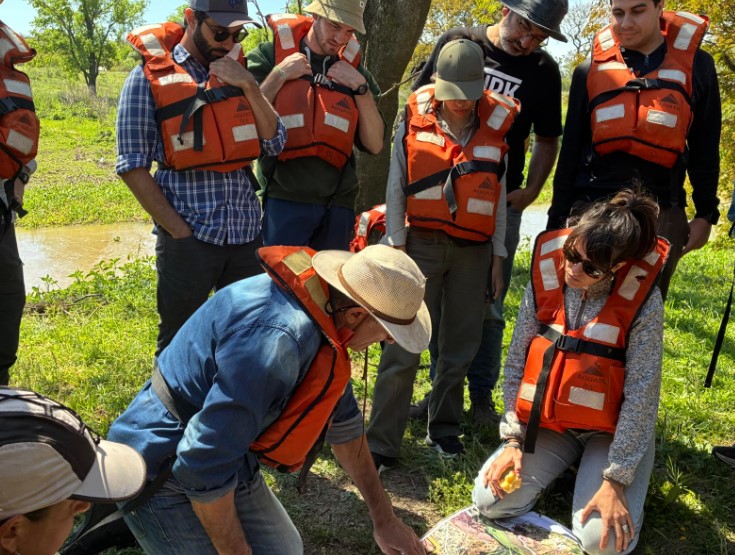
Finally, a Zodiac boat tour was conducted through the islands of the Paraná River to learn about its system, the islands, and their relationship to fire, as well as to share knowledge with a local family about community fire management strategies. It was also an opportunity to learn about the legal implications of fire use at the local level.
Development of the SH in Rosario
Centro Científico, Tecnológico y Educativo Acuario del Paraná and Paraná islands
Rosario was the setting for a field trip to the Paraná River wetlands across from the city. The aim was to understand the approach to fire use in productive areas, its relationship with livestock farming and the island environment, as well as sustainable alternatives for landscape management. This perspective of large-scale producers was contrasted with the views of members of environmental organisations on fire, as well as those of regional authorities, regarding its causes and impacts on the wetlands. All of this took place within the context of the 2020 fires in the wetlands, which, in addition to their impact on the wetlands themselves, caused significant smoke pollution problems in the city of Rosario.
“In Rosario we wanted to show the complexity of fire in this region of the Paraná River, where there are opposing views and a very marked controversy, and where the challenge is to start thinking about the implementation of Integrated Fire Management programs,” says Brián Ferrero, researcher at the Universidad Nacional de Rafaela – CONICET.


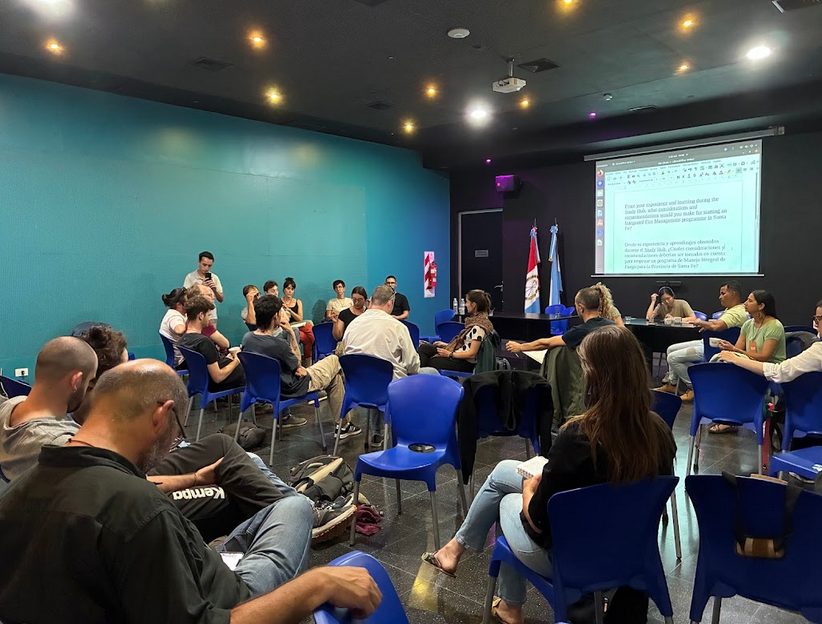
Rosario was also the place where the Argentina SH was closed with a joint exercise to reach conclusions on the contribution and challenges posed by interdisciplinarity and interculturality in Integrated Fire Management policies.
After the 15 days of the Argentina SH
Universidad Nacional de Rafaela, Universidad Nacional del Litoral and CONICET
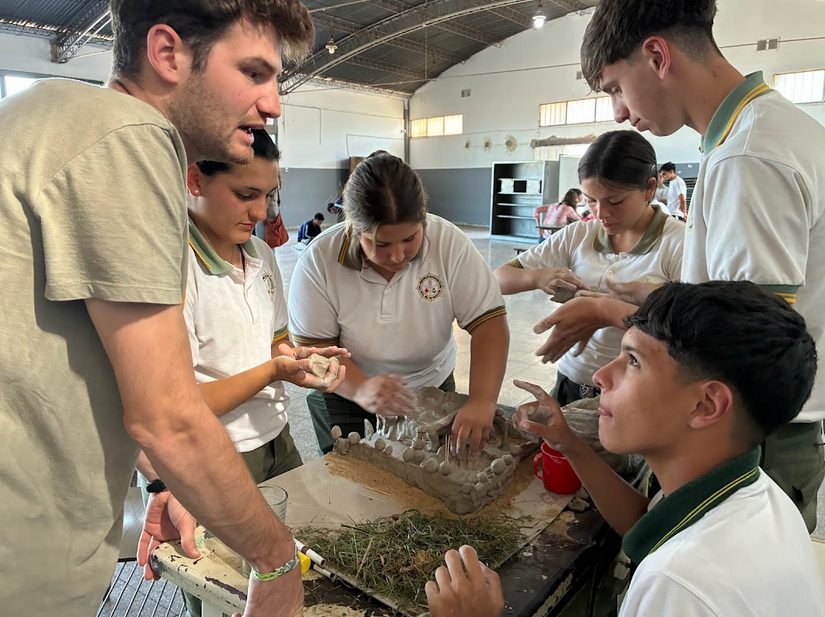
After Rosario, the team returned to Santa Fe to work together on project deliverables of the work packages (inter)cultural services and human well-being (WP3), and Integrated Fire Management as part of climate change adaptation (WP5). A fire awareness workshop was also conducted at the “Nuestra Señora de Guadalupe” secondary school in Santa Fe. This workshop explored the concept of the fire triangle and factors contributing to fire spread. The participants shared experiences on wildfires, discussed self-protection, and created models to show how fire behaves depending on building materials and the presence or absence of landscape management.