
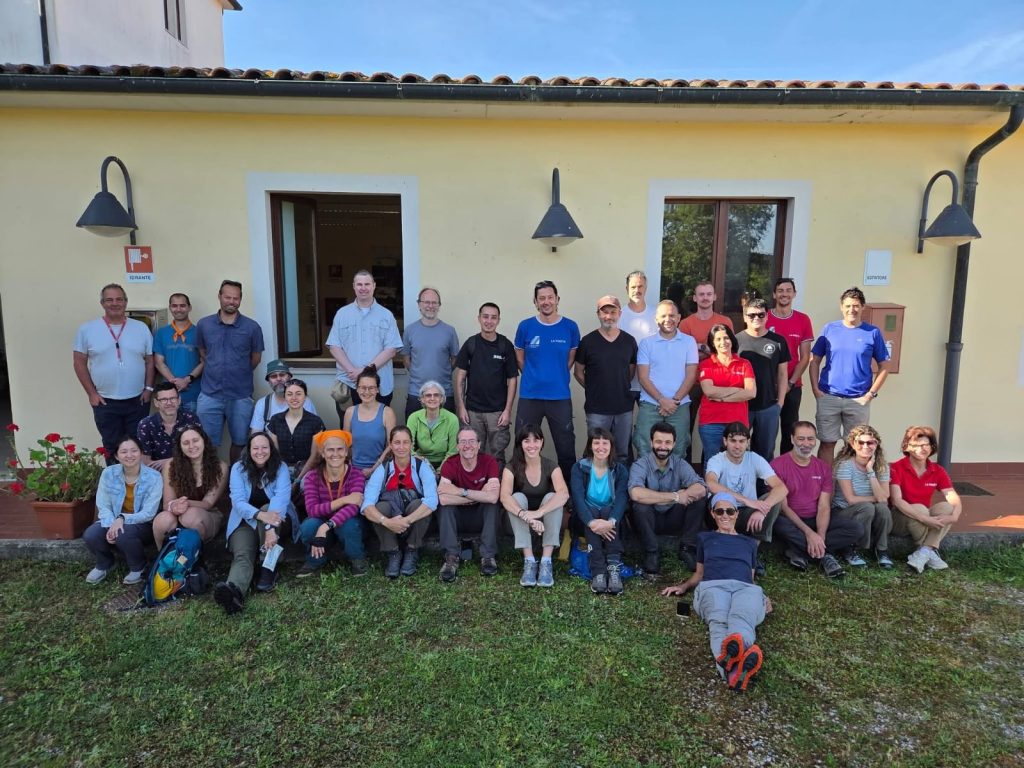
The final Study Hub (SH) of the FIRE-ADAPT project took place in Italy. The regions of Piedmont and Tuscany, together with the island of Sardinia, hosted a programme of presentations, workshops and field visits. They also provided an opportunity for project partners to come together after four years of collaboration towards achieving the project’s objectives. With FIRE-ADAPT coming to an end later this year, the Italy Study Hub served both to review the project’s current progress and define the next steps for delivering its final outputs and key documents, while also deepening participants’ understanding of fire in Alpine, temperate and Mediterranean ecosystems.
The Italy Study Hub was organised by three project partners: the University of Turin (UNITO), through its Department of Agricultural, Forest and Food Sciences (DISAFA), which hosted the Piedmont and Tuscany stages; the Institute for BioEconomy of the National Research Council of Italy (CNR-IBE); and the Forest and Environmental Protection Corps (Corpo Forstale) of the Autonomous Region of Sardinia (CFVA), which hosted the Sardinia stage. A total of 51 participants from France, Italy, Spain, Bolivia, Brazil, the United Kingdom and Argentina attended, representing the project’s partner organisations.
First stage: Piedmont
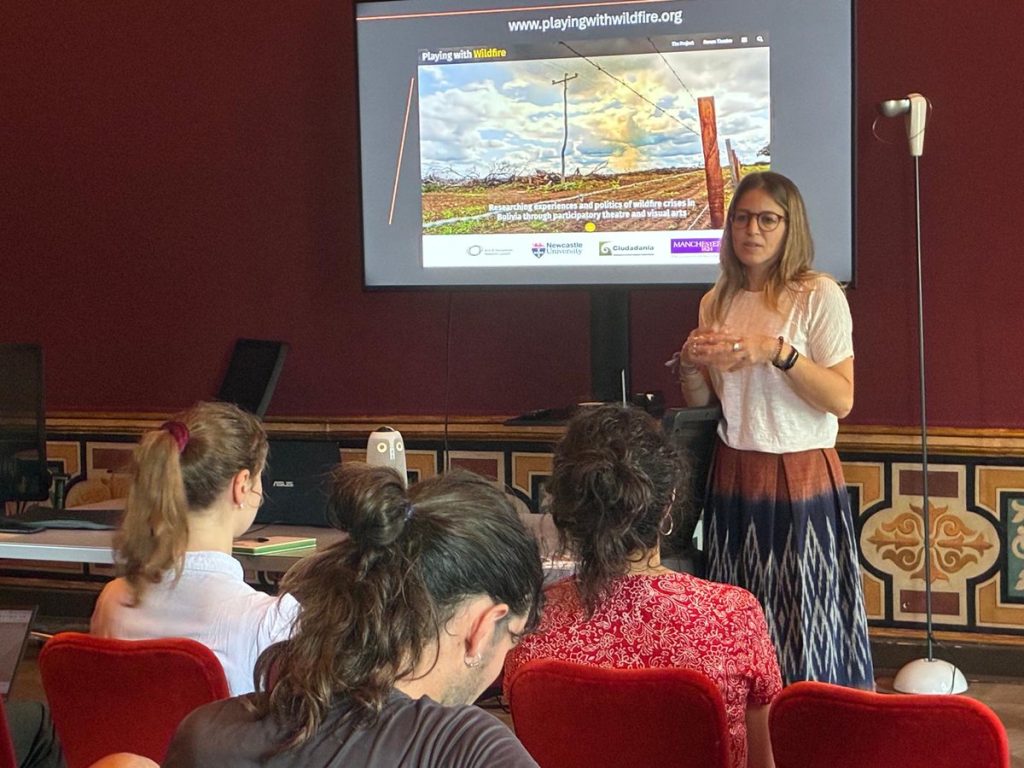
From 25 to 29 May, the Italy Study Hub focused on the Piedmont region. During the first few days in Turin, participants attended presentations introducing the wildfire context in this Alpine region. Researchers from UNITO provided an overview of wildfire dynamics and governance in Piedmont (Davide Ascoli), the region’s wildfire management plan (Cinzia Passamani), and strategic landscape fuel management (Davide Vecchio). The programme also included a presentation on the post-fire reforestation plan following the 2017 wildfires by Enrico Gallo (Regione Piemonte), as well as a workshop organised in collaboration with the FIREPOL project, led by researcher Lorenza Fontana, exploring the relationship between policy and wildfires in the Global South. The workshop featured Peter Moore (FAO), who discussed the evolution and governance of Integrated Fire Management (IFM).
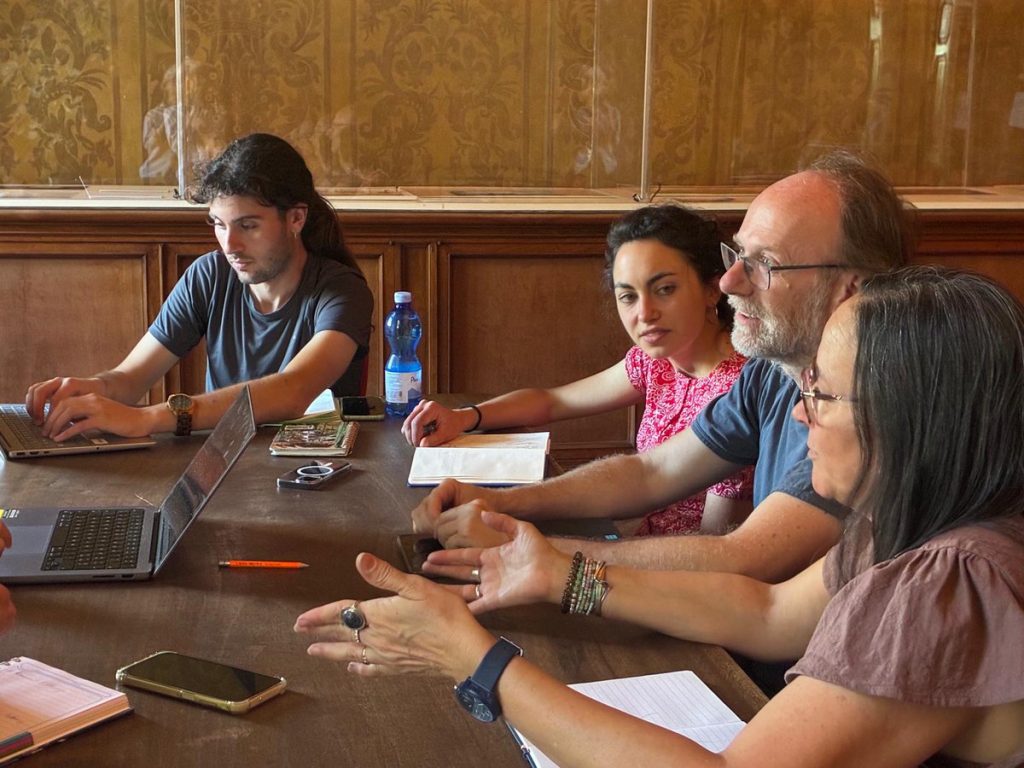
Time was also dedicated in Turin to advancing the project’s White Paper (WP5), which addresses the challenges and solutions for supporting the transition towards Integrated Fire Management (IFM).
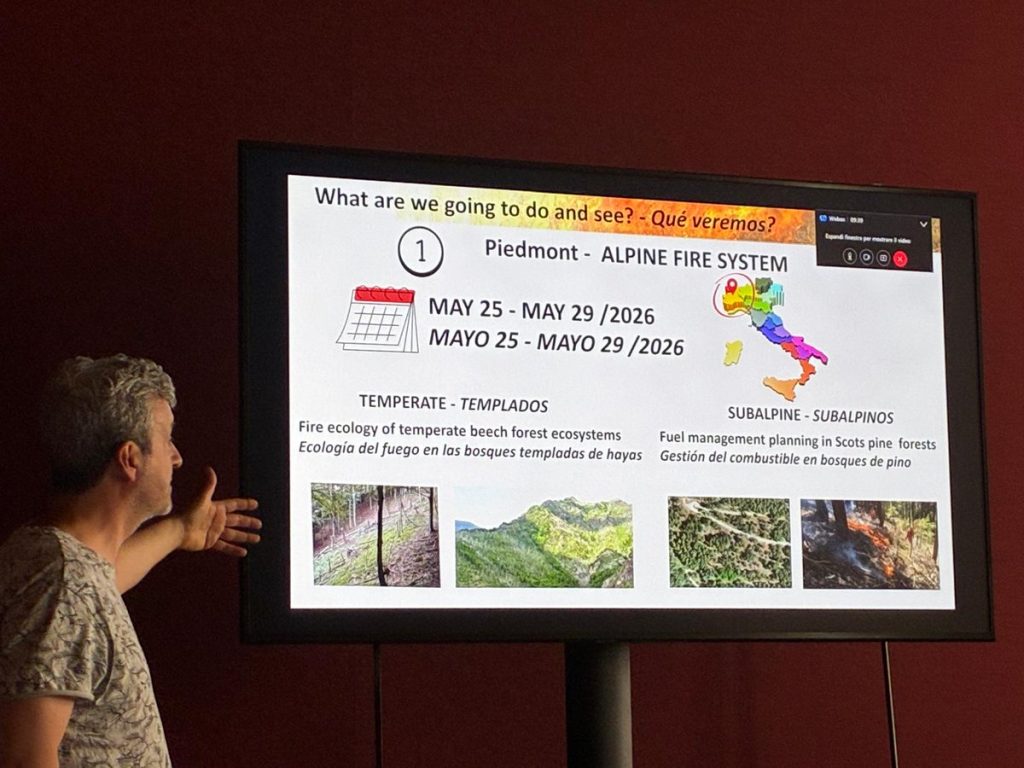
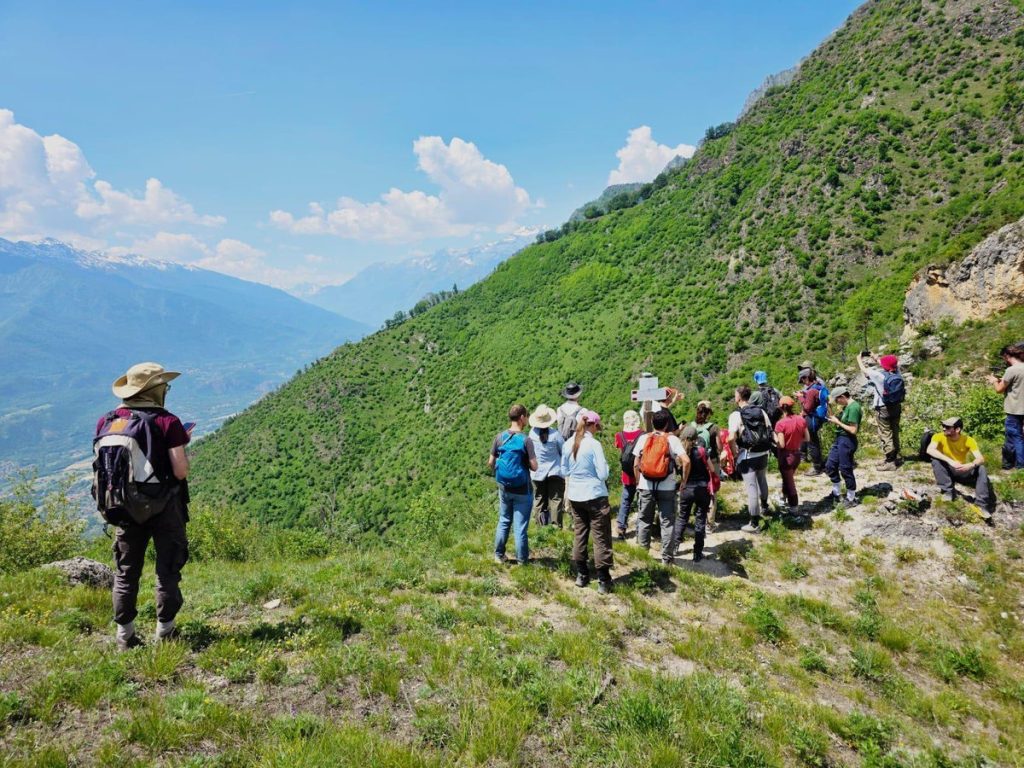
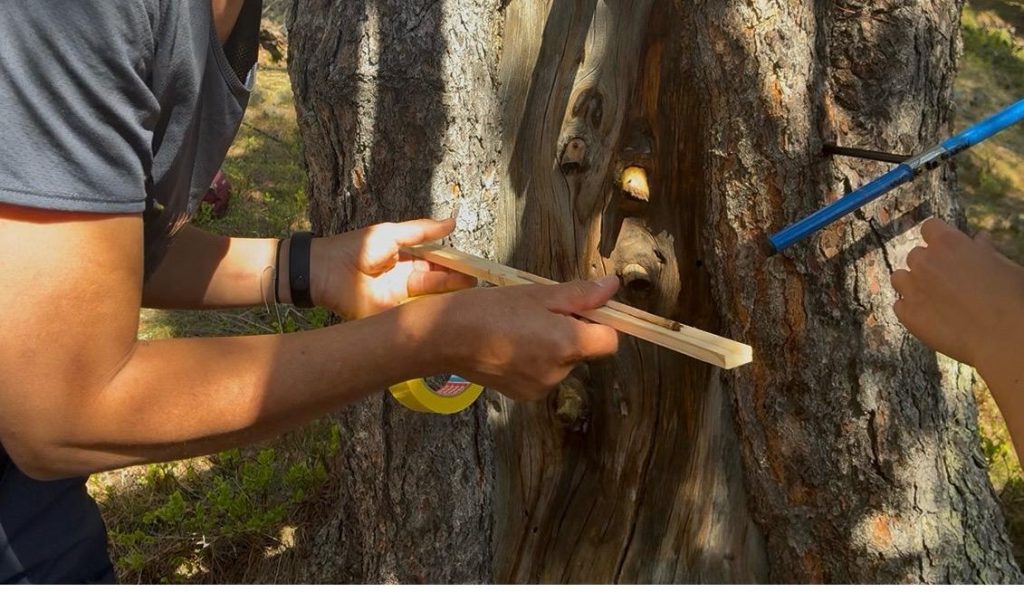
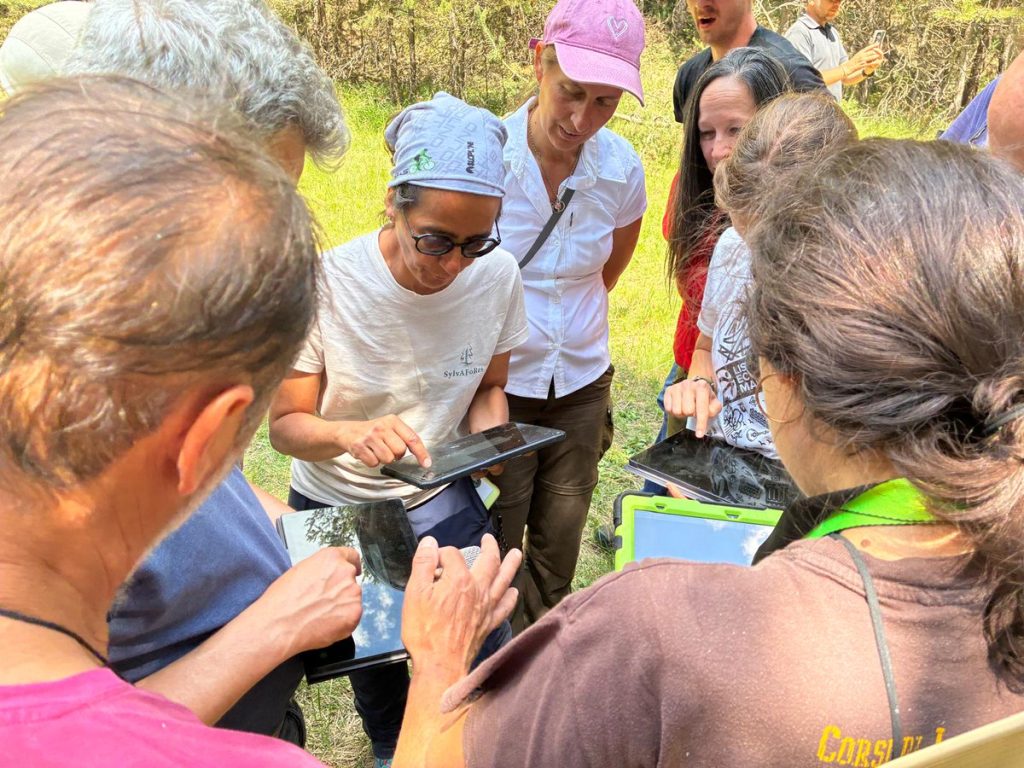
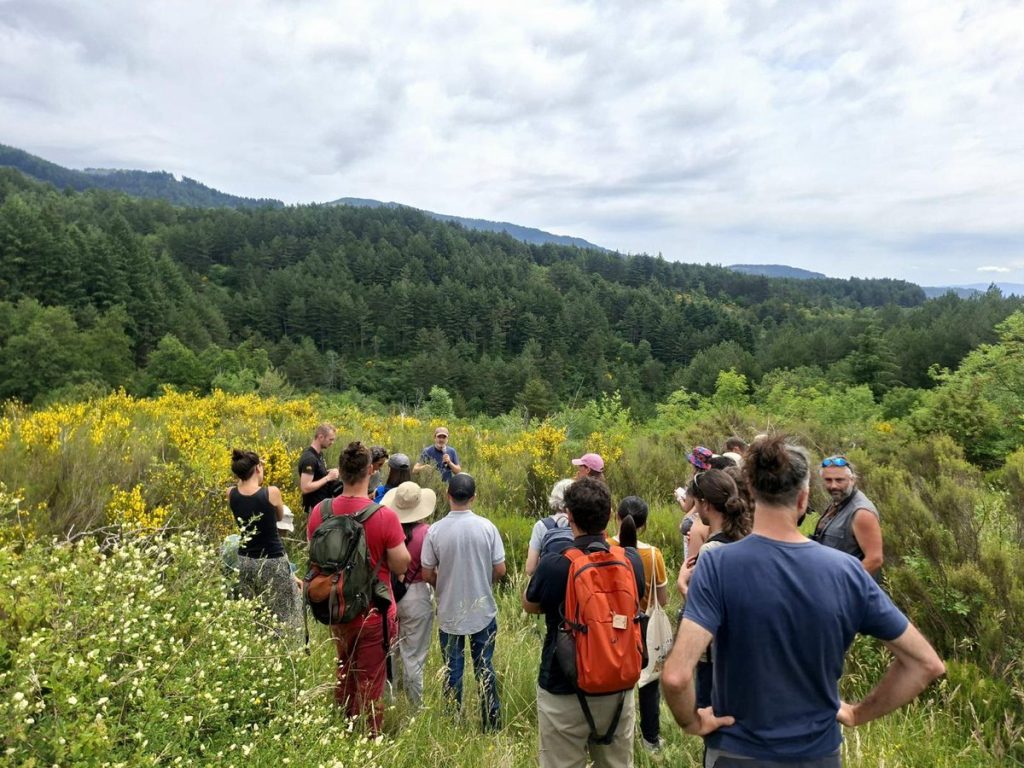
The Study Hub continued with a field visit to the areas affected by the 2003 and 2017 wildfires in Mompantero, an example of recurrent large wildfires in broadleaved forests. Participants also visited a section of the 2017 fire where post-fire management had been implemented to restore a conifer forest. The Susa Valley, and more specifically the Capanna Mautino Refuge, served as the base camp for the following activities. Participants took part in a dendrochronology workshop to identify and date fire scars left by past wildfires on trees. The programme also included presentations on pyrosilviculture in conifer forests (Davide Ascoli, UNITO) and on prescribed burning and tree physiology in Scots pine forests (Rachele Gamba, UNITO). The Piedmont stage concluded with a virtual simulation exercise in which participants assessed different forest management interventions to support the development of fire-resilient forests.
Second stage: Tuscany
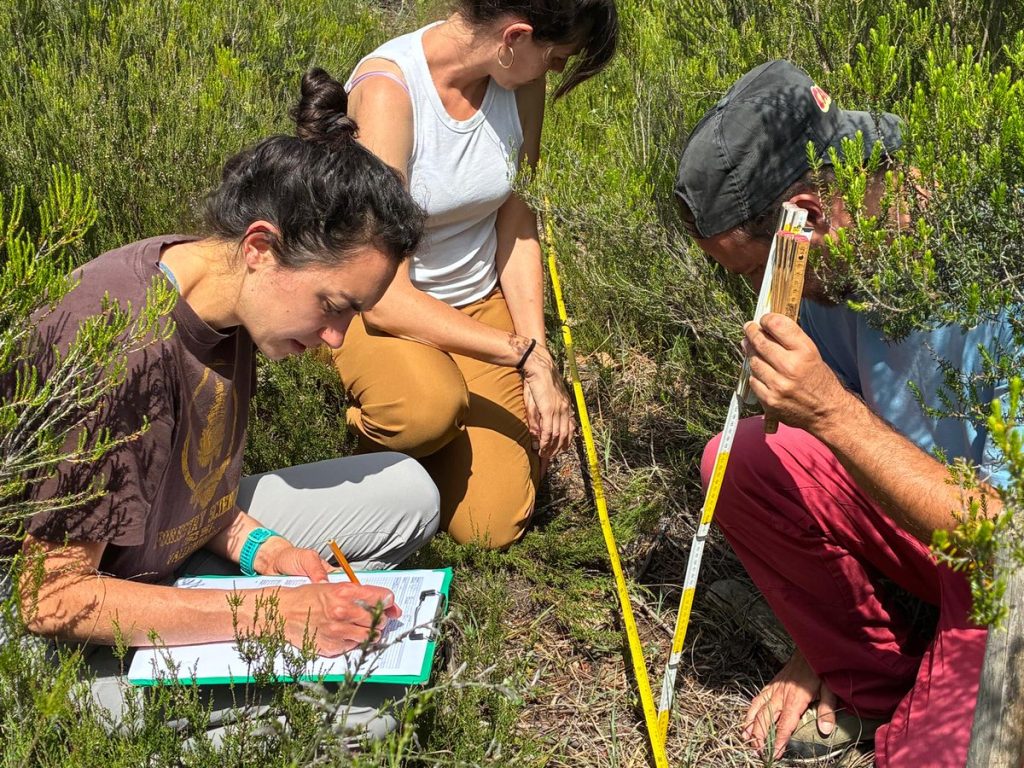
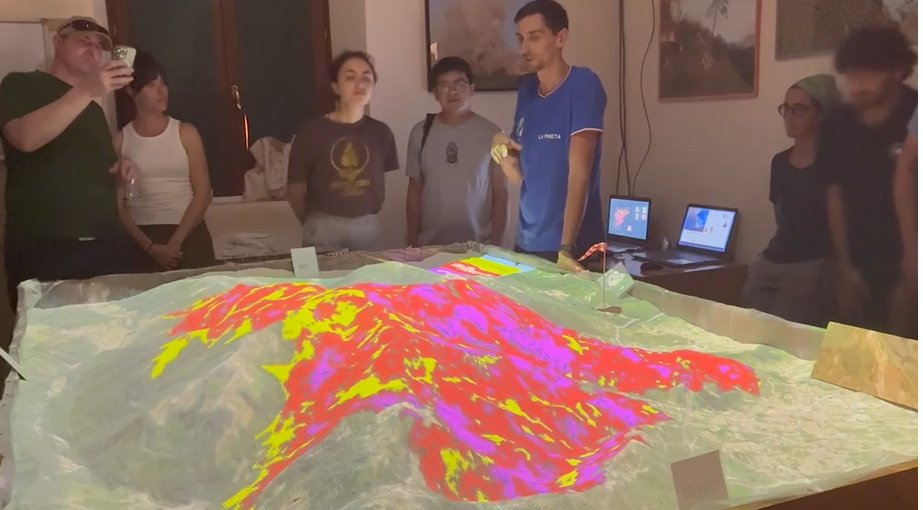
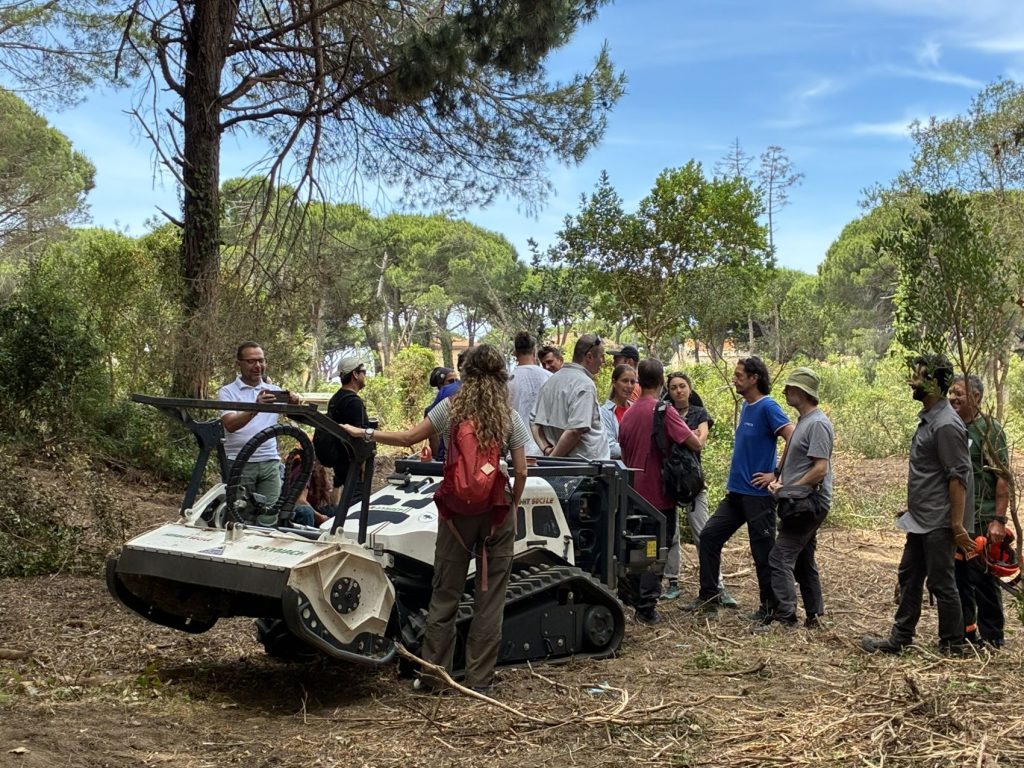
From 1 to 5 June, the Study Hub moved to the La Pineta Training Centre (Regione Toscana), where participants took part in presentations, field visits and data collection activities for the biodiversity and carbon monitoring protocols. These activities were designed to showcase and discuss the sub-Mediterranean fire system. At La Pineta, Gianluca Calvani (Regione Toscana), together with Luca Tonarelli and Giovanni Carini (D.R.E.AM. Italia), presented Tuscany’s fire management system, the region’s strategies for wildfire prediction, prevention and adaptation, and a sand-table simulation of the 2022 Masarosa wildfire led by Giovanni Carini. In addition to visiting the training centre’s facilities, equipment and operational tools, participants attended a session on wildfire communication delivered by Compagnia delle Foreste. Fieldwork was also carried out in areas surrounding La Pineta where prescribed burning had been implemented, allowing participants to collect data for the project’s biodiversity and carbon dynamics protocols (WP2 and WP1).
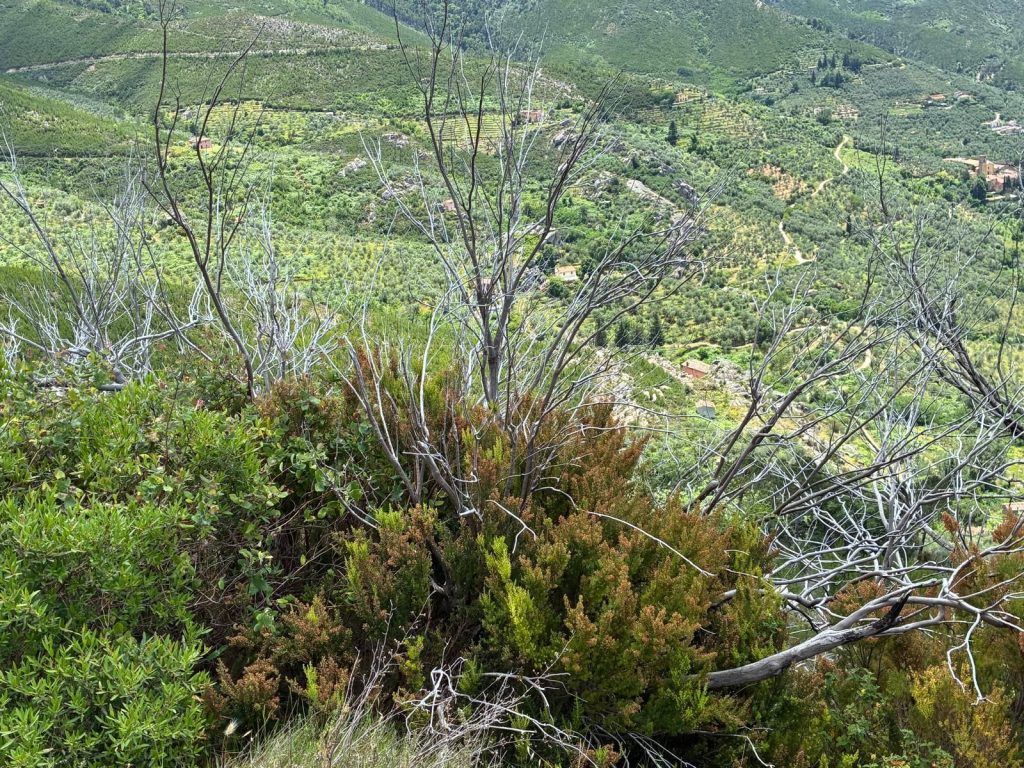
The field visits during the Tuscany stage included a visit to Pratomagno Natural Park, where participants discussed Integrated Fire Management (IFM) and learned about the Granatha project, presented by Fred Rainsford (UNITO). The project aims to improve the conservation of bird species associated with the mountain heathland habitats found in Pratomagno. Participants also visited a wildland–urban interface (WUI) area in the coastal tourist destination of Marina di Grosseto to observe fuel management interventions, and the site of the 2018 Calci wildfire, where discussions focused on the fire’s impacts and the restoration programme implemented in conifer forests.
Third stage: Sardinia
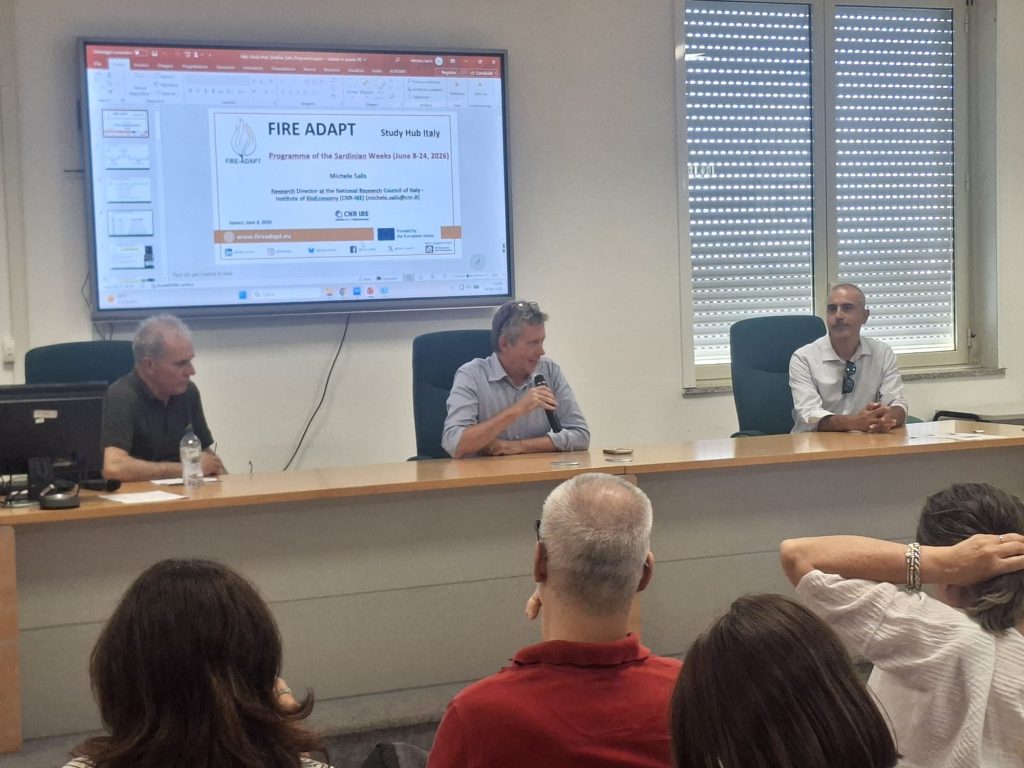
From 8 to 24 June, the Italy Study Hub moved to Sardinia. Based in Sassari, at the facilities of the Institute for BioEconomy (IBE-CNR), participants spent two weeks attending presentations, working sessions on project outputs and field visits. The programme explored a region with a long history of agro-pastoral land use, extensive forest and shrubland landscapes, a high wildfire risk, and considerable experience in wildfire prevention and suppression.
The first week provided an overview of Sardinia’s fire environment through presentations by the IBE team—Beniamino Gioli, Michele Salis, Marcello Casula, Valentina Bacciu and Liliana del Giudice—covering the island’s meteorological and topographical characteristics, its fire regime, wildfire management by the Corpo Forestale, and the Suni project, which aims to strengthen wildfire prevention and enhance landscape resilience. A field visit to the Le Prigionette–Porto Conte forest and marine protected area, hosted by FoReSTAS, introduced participants to wildfire prevention strategies and fire risk management practices in Sardinia’s public forests.
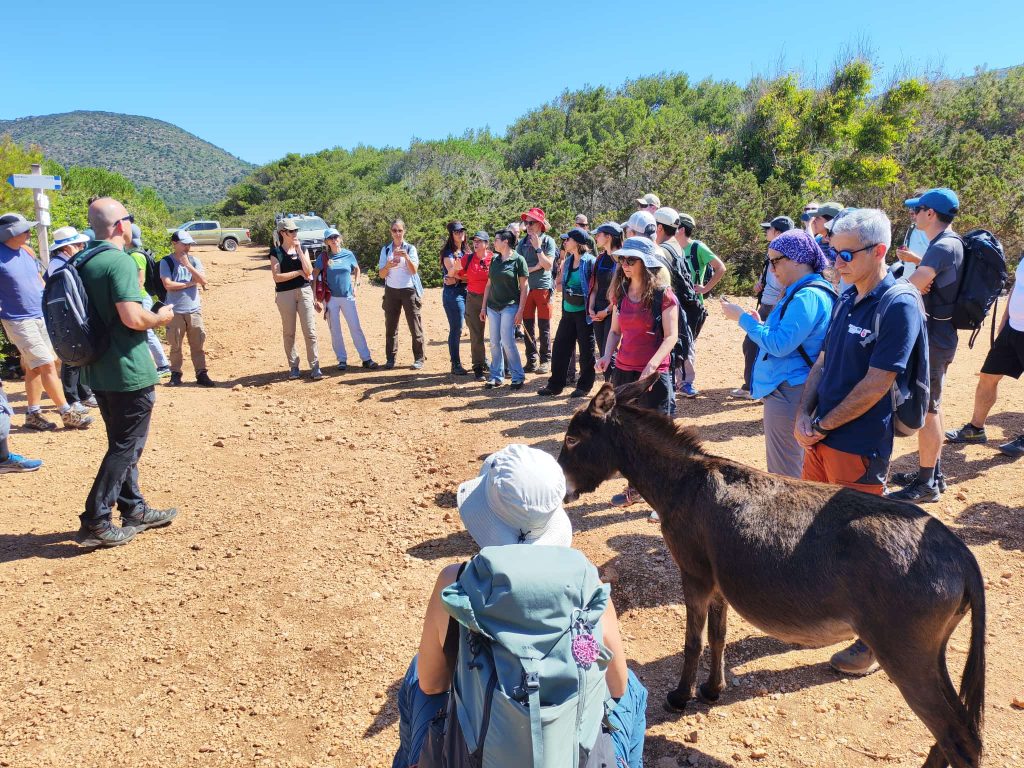
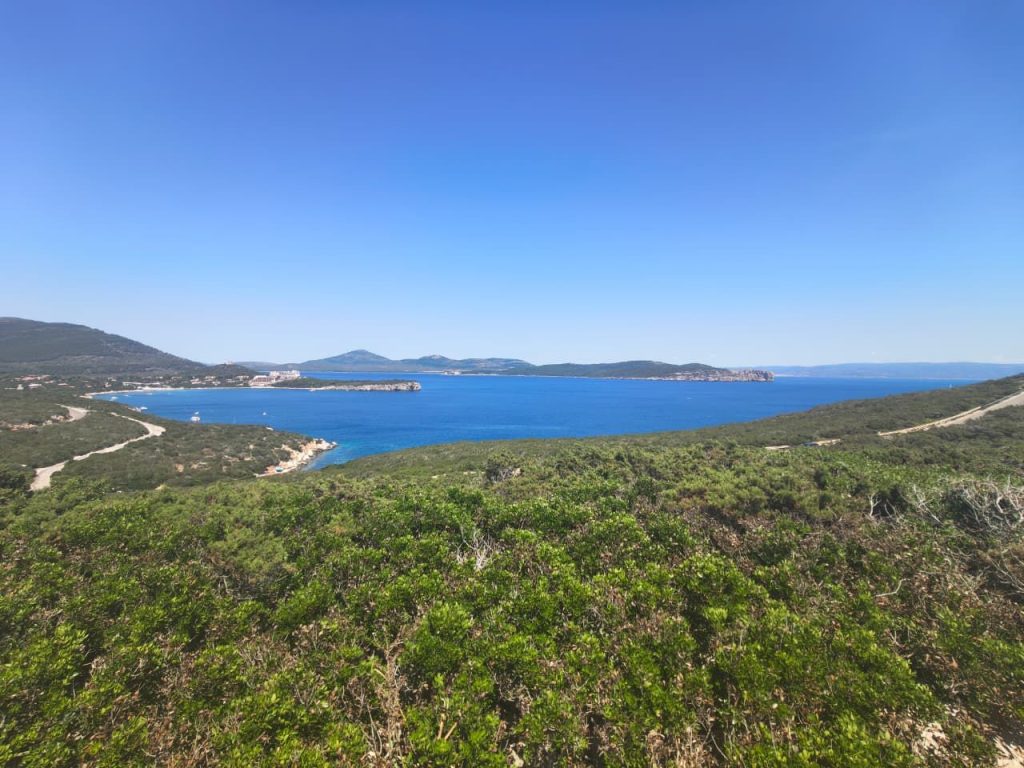
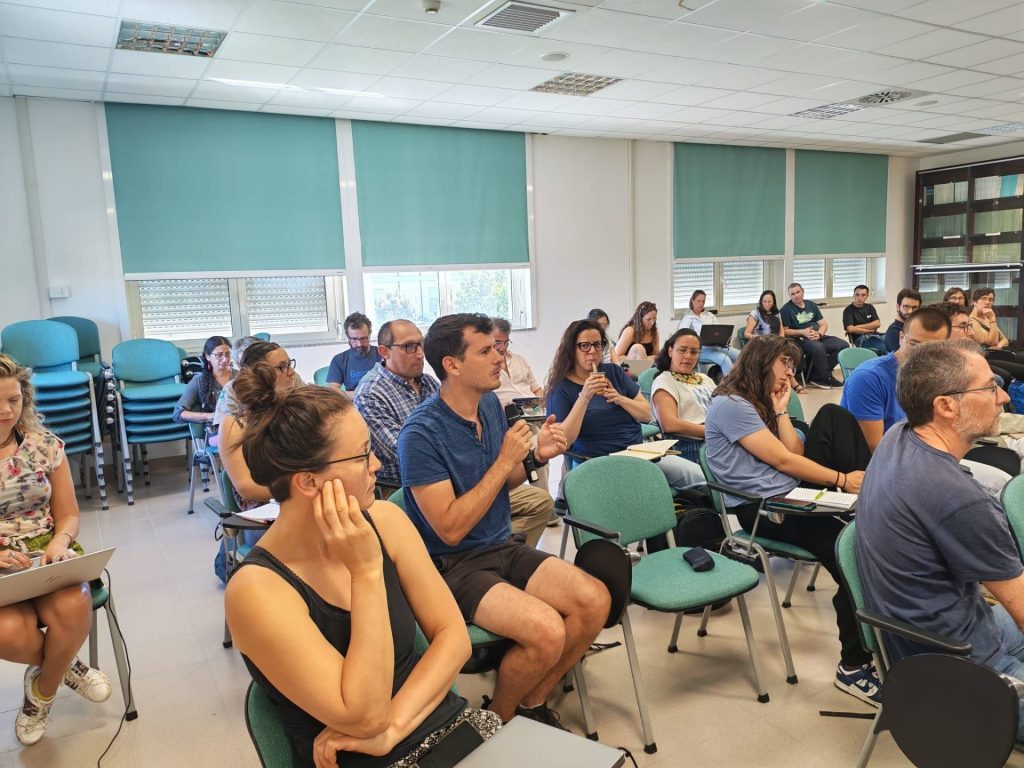
The week concluded with field visits to the Pabarile area in the Montiferru region, one of the areas most severely affected by wildfires in Sardinia. Representatives from the Corpo Forestale analysed the Montiferru wildfire, explaining its behaviour and spread, while FoReSTAS presented the area’s characteristics and the management measures currently being implemented. Participants also heard first-hand testimony from a farmer from Cuglieri, who shared a local perspective on the impacts of the Montiferru wildfire on the community and surrounding landscape. The final days of the Study Hub were dedicated to sharing the project’s progress and key results. The programme included presentations by Early Career Researchers, including Lena Vilà and Gustavo Tudela (CTFC), as well as talks by IBE researchers—Roberto Ferrara, Marcello Verdinelli, Carla Scarpa, Michele Salis and Marcello Casula—on wildfire research in Mediterranean ecosystems. Núria Prat-Guitart (Pau Costa Foundation) presented the Pyrosphere platform as a collaborative space for sharing Integrated Fire Management (IFM) practices. A plenary session of WP3 – (Inter)cultural Services and Human Well-being was also programmed, where participants reviewed and further developed the Rapid Assessment Booklet “Beyond Suppression: Intercultural Pathways for Integrated Fire Management.”
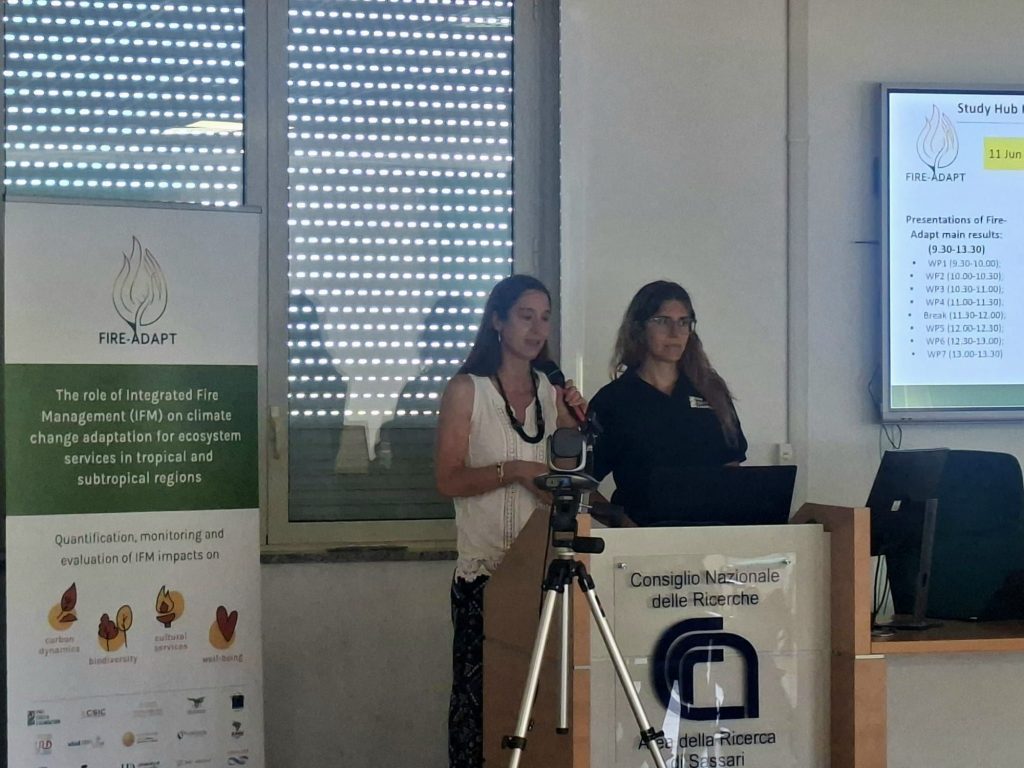
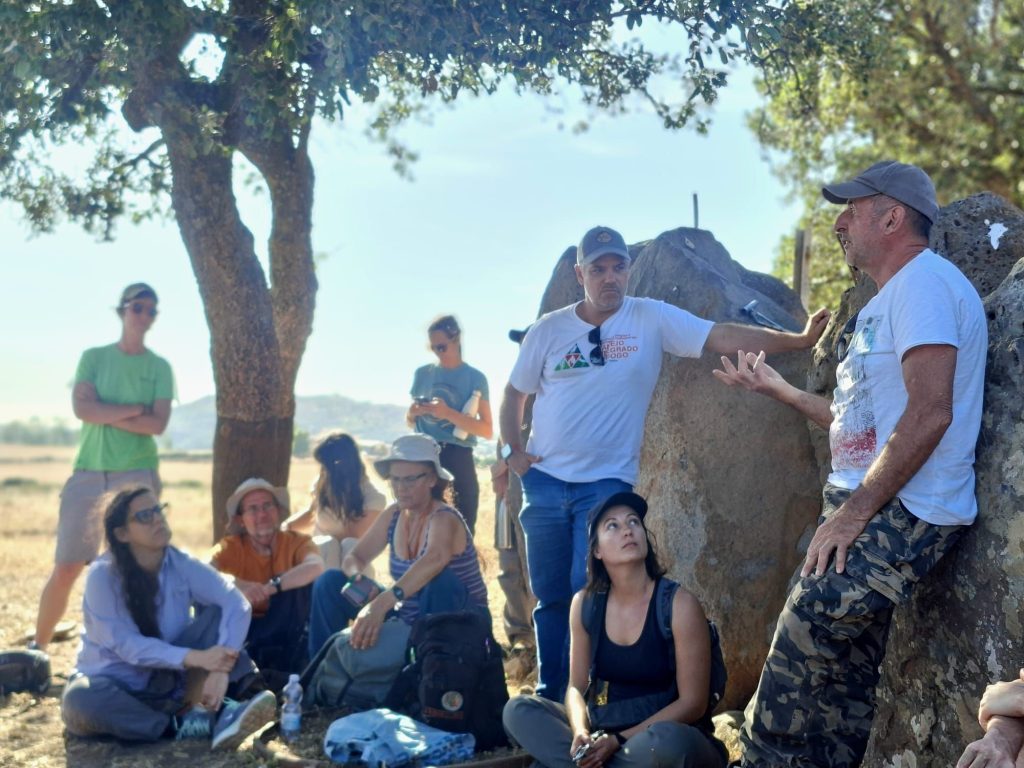
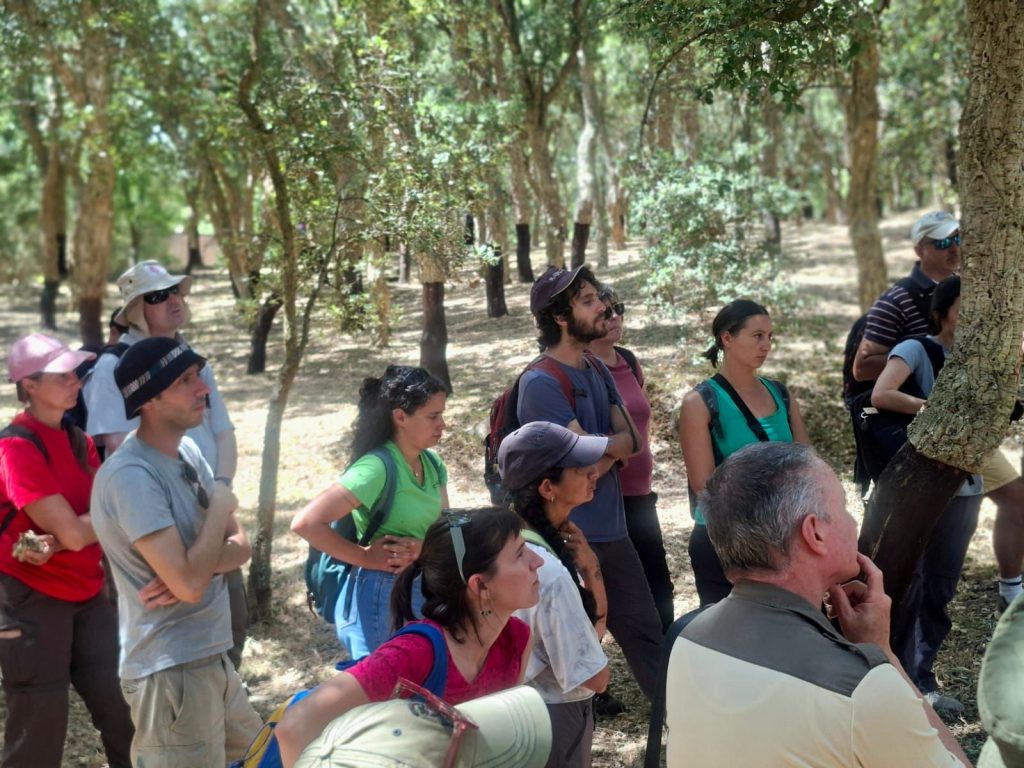
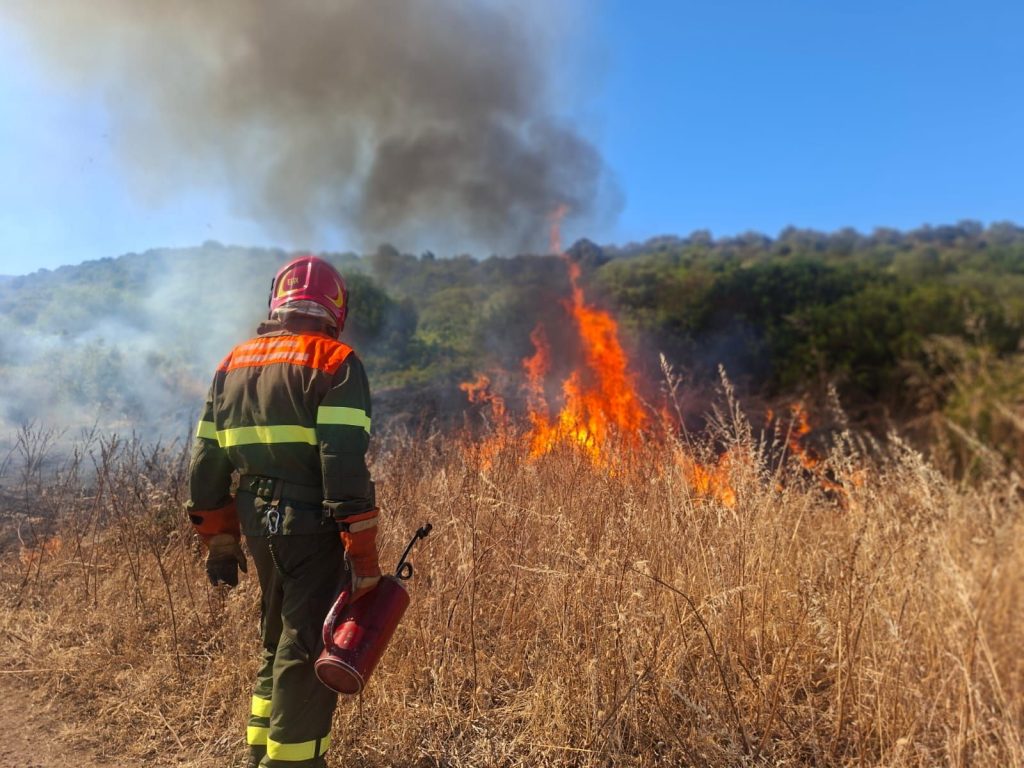
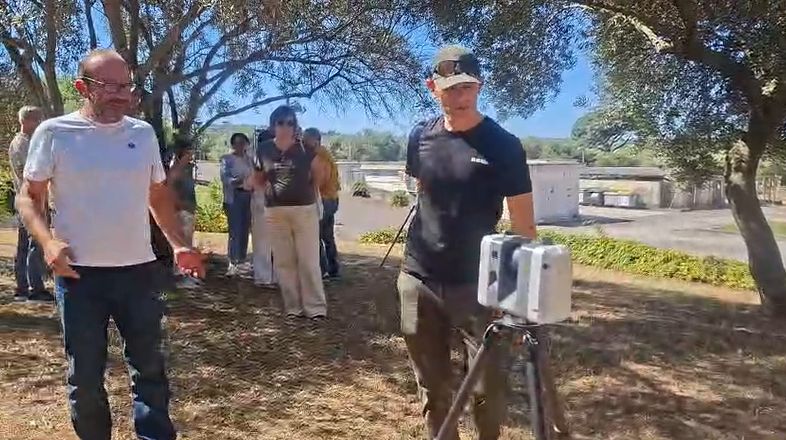
During the second week in Sardinia, participants took part in several field visits, including a visit to the experimental cork oak forest managed by AGRIS (Autonomous Region of Sardinia), where they explored different fuel management strategies being tested there. They also visited the Sos Nibberos forest and observed prescribed burning operations in the Province of Oristano, carried out under the supervision of the Corpo Forestale. The Corpo Forestale also presented Sardinia’s wildfire management system and operational procedures, and guided participants through a visit to the Anela helicopter base, providing an overview of the aerial resources used for wildfire suppression. The programme further included a training session on the use of terrestrial laser scanning (TLS) (WP4), demonstrating how the technology can be used to assess the effects of different forest management strategies on wildfire risk reduction and ecosystem resilience.
The first three days of the third week were dedicated exclusively to collaborative working sessions on the deliverables of the different work packages, allowing project partners to make significant progress towards completing FIRE-ADAPT’s final outputs.
With this, the final Study Hub of the FIRE-ADAPT project concluded. What remains are the knowledge shared, the lessons learned, and the experiences gained around Integrated Fire Management across diverse regions, cultures and landscapes. Above all, it leaves behind a community of people who have worked together throughout the project and who will continue to collaborate with the same enthusiasm in future initiatives, generating and sharing knowledge to advance our understanding and management of fire.